
Lighting shapes how you feel, work, relax, and interact with your space. Among the different lighting types used in homes and offices, task lights and ambient lights stand out because they serve very different purposes.
Understanding how each one works helps you design a room that is both functional and visually comfortable. This guide explains the difference between the two, how to use them correctly, and which option best suits your needs.
Task Lighting Explained
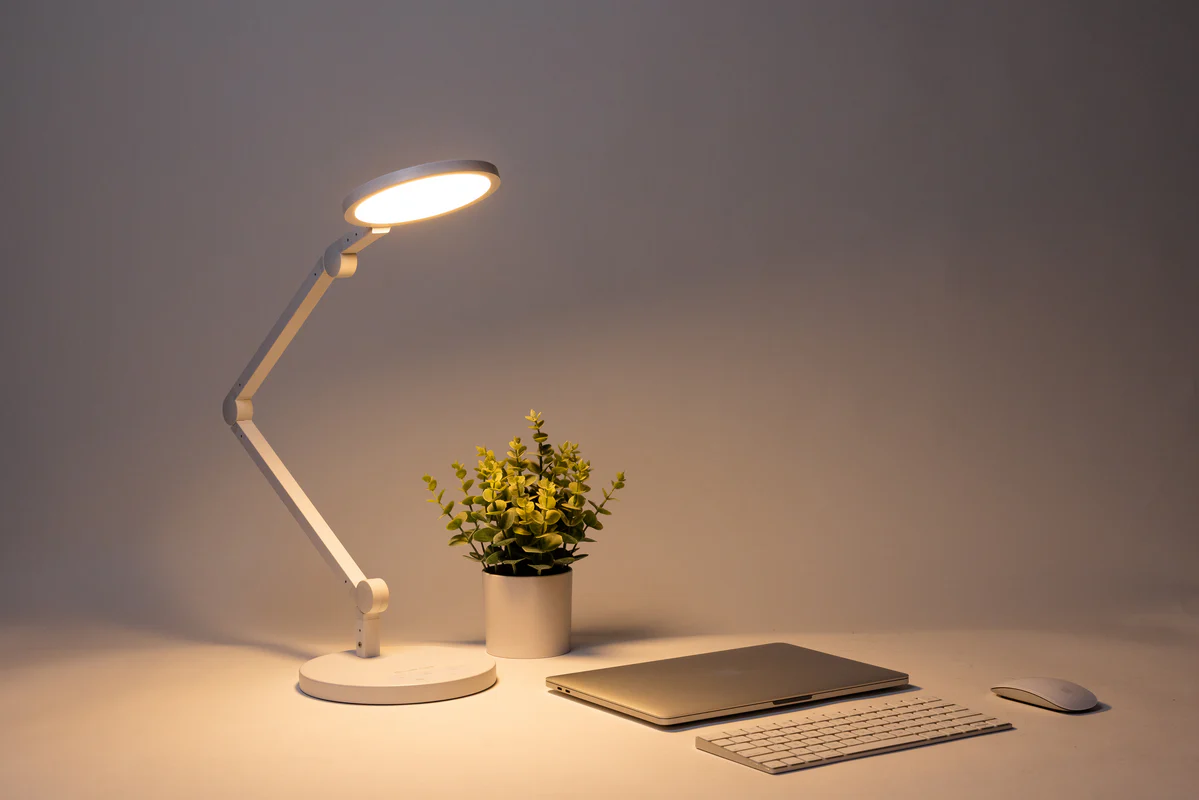
Task lighting is focused, direct light designed to help you perform specific activities comfortably and safely. Whether you’re reading, cooking, studying, stitching, typing, doing makeup, or working on a hobby, a dedicated source of illumination reduces eye strain and improves precision.
A task light typically highlights a small, defined area rather than the whole room. The idea is to light your workspace without overwhelming the surroundings. In practical terms, task lighting bridges the gap between too-dim and too-bright conditions, allowing you to concentrate better on what you are doing.
Task lighting can be positioned on desks, kitchen counters, study corners, craft tables, bedside reading spots, workbenches, or dressing mirrors. Good task lighting is especially useful in multi-purpose rooms where different people may be engaged in different activities at the same time.
Getting Task Lighting Right
To make task lighting effective, you need to think about direction, brightness, placement, and comfort. Here are the ways:
- Task lighting should be focused. Position the light so it falls directly on the working surface. Direct beams ensure visibility without lighting up the entire area unnecessarily.
- Task zones require adequate illumination, but not harsh intensity. Look for brightness that keeps your eyes relaxed but still sharp enough to see details clearly. Adjustable brightness levels offer more flexibility for different tasks.
- Cooler tones help keep you alert and focused, which is ideal for studying or office work. Slightly warmer tones are better for relaxed tasks like reading at night.
- Place a task light on the opposite side of your writing or working hand. This prevents unwanted shadows on your workspace. Also, ensure the light source is shielded or diffused if you find it too sharp.
- Lights kept too low cause concentrated glare; too high and they scatter. Position them so the beam covers your task area evenly.
When set up correctly, task lighting boosts productivity and makes work or hobbies more enjoyable. It also reduces eye strain, especially during prolonged use.
Ambient Lighting Explained
Ambient lighting, often called general lighting, sets the overall tone of a room. It is the primary layer of illumination, filling the entire space with a soft, even glow. Instead of focusing on a specific task, ambient lights help you move around safely, relax, and enjoy a comfortable atmosphere.
Ambient lighting is what creates the first impression when you walk into a room. It determines whether the space feels warm and inviting or cool and energetic. It serves as the foundation upon which other lighting layers are built.
Good ambient lighting is essential in living rooms, bedrooms, hallways, dining areas, and lounges. It provides balanced illumination, making it easier to complement with accent or task lighting when needed.
Getting Ambient Lighting Right
Ambient lighting relies on balance, spread, tone, and design. Here are the key considerations to create comfortable general illumination:
- Ambient lights should never be harsh. Use diffused sources that reduce shadows and create a pleasant atmosphere throughout the room.
Warm tones create a cosy, calming environment suitable for bedrooms and living spaces. Slightly cooler tones can work well in kitchens or large halls where you need a clearer view. - Avoid dark corners or overly bright spots. Use multiple light sources or well-positioned fixtures to create a balanced lighting environment.
- Dimmable ambient lighting helps you switch between bright daytime settings and softer evening moods. It offers better control over the room’s overall feel.
- Daylight plays a big role. Ambient lighting should complement natural light rather than overpower it. During the day, use window light; in the evening, rely on artificial light for balance.
When ambient lighting is done right, your room feels harmonious, welcoming, and visually restful.
Picking Between the Two
The choice between a task light and ambient lights depends on your needs, activities, and the role of each room. The truth is that most well-designed interiors use both.
Choose task lighting if you regularly:
- Read, write, study, or work at a desk
- Cook or prep food
- Do grooming or makeup
- Craft, stitch, draw, or work on hobbies
- Need focused visibility for precision tasks
Choose ambient lighting if you want to:
- Light up a whole room comfortably
- Create a relaxing or social atmosphere
- Ensure safe visibility for walking and moving
- Set the overall “mood” or tone of a space
- Support multiple activities happening in the same room
If the space is both functional and social, like a study-cum-living area, layering is your best approach. Use ambient lights as the base layer, then add task lights where needed. This combination ensures your room works for every purpose without compromising comfort.
Creating Balanced, Functional Spaces
Finding the right lighting is not about choosing one type over another; it’s about understanding how each contributes to a room’s usability and feel. Task lighting gives you focus, clarity, and precision. Ambient lighting gives you warmth, comfort, and flow.
When thoughtfully layered together, they transform ordinary spaces into environments where you can work efficiently, relax peacefully, and enjoy every moment with ease.