
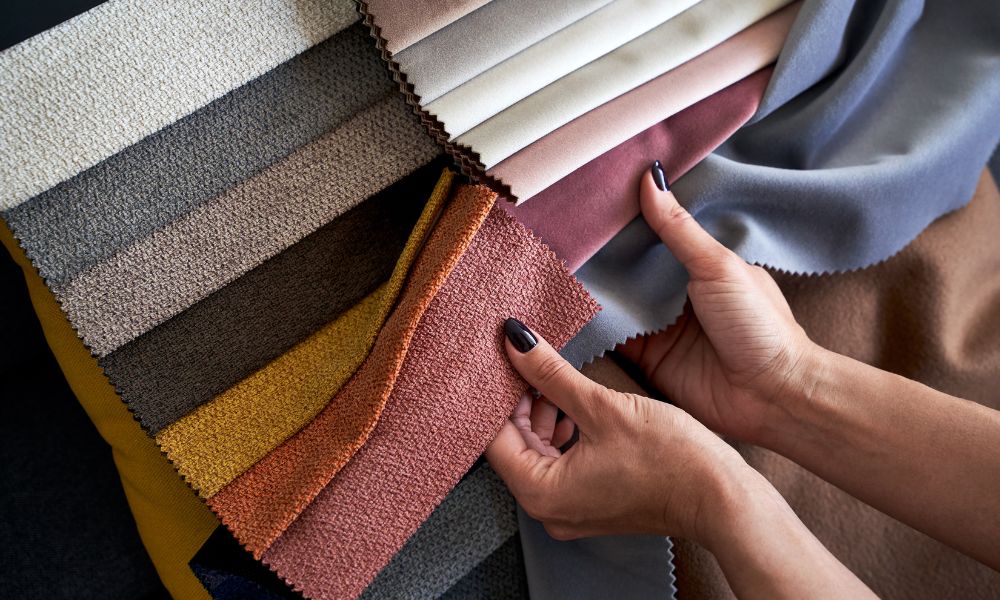
Clothes are an investment, not just financially, but emotionally too. Whether it’s your everyday workwear, festive outfits, or that favourite cotton shirt you refuse to throw away, proper fabric care makes all the difference. Unfortunately, many garments lose their shape, colour, or texture not because they’re poor quality, but because they’re handled incorrectly during washing, drying, or ironing.
Different fabrics behave differently. What works for cotton may ruin silk. What feels safe for denim could permanently damage wool. Understanding how each fabric responds to heat, moisture, and pressure is the key to keeping your clothes looking fresh and wearable for years.
This guide breaks down how to care for common fabrics without damaging them, and how to use tools like a steam iron box, steam garment steamer, and iron box the right way for each material.
Why Fabric-Specific Care Matters?
Every fabric has a unique structure. Natural fibres like cotton and linen are breathable but wrinkle easily. Delicate fibres like silk can scorch or stain under high heat. Synthetic fabrics may melt or lose shape if overheated. Treating all clothes the same is one of the fastest ways to shorten their lifespan.
Good fabric care isn’t complicated; it’s about knowing:
- How much heat the fabric can handle
- Whether steam is safe or risky
- When pressure helps and when it harms
Once you understand these basics, caring for clothes becomes simple and intuitive.
Cotton: Durable but Wrinkle-Prone
Cotton is one of the most forgiving fabrics, which is why it’s so popular for daily wear. It absorbs moisture well and can tolerate heat, but it wrinkles easily.
Care tips:
- Wash in cold or warm water to prevent shrinkage
- Avoid over-drying, which sets deep creases
- Iron while the fabric is slightly damp
A steam iron box works particularly well for cotton, as steam relaxes the fibres and removes stubborn wrinkles without excessive pressure. For thicker cotton garments like shirts or kurtas, steady steam and medium heat provide the best results.
Linen: Breathable but Highly Crease-Sensitive
Linen is loved for its airy feel, especially in warm climates, but it wrinkles faster than almost any other fabric.
Care tips:
- Wash gently and avoid twisting while wet
- Dry flat or hang immediately
- Iron while still slightly damp
Steam is your best friend here. A steam iron box helps smooth linen fibres efficiently, while a steam garment steamer is ideal for quick touch-ups on hanging garments. High heat is acceptable, but always keep the fabric moist to avoid stiffness.
Silk: Luxurious and Delicate
Silk requires the most caution. It’s sensitive to heat, moisture, and friction, and mistakes are often irreversible.
Care tips:
- Hand wash or dry clean as recommended
- Never wring or twist
- Avoid direct heat whenever possible
Instead of a traditional iron box, a steam garment steamer is the safest option for silk. Steam relaxes wrinkles without pressing directly on the fabric, reducing the risk of scorch marks or water stains. If ironing is necessary, use the lowest heat setting and place a cloth between the iron and the fabric.
Wool: Warm but Heat-Sensitive
Wool fibres can shrink, flatten, or lose elasticity when exposed to excessive heat or pressure.
Care tips:
- Wash infrequently; spot clean when possible
- Lay flat to dry to maintain shape
- Avoid heavy pressing
Steam works well for wool, but pressure does not. A steam garment steamer lifts wrinkles gently without crushing the fibres. If you use an iron box, keep it on low heat and press lightly; never slide aggressively.
Denim: Tough but Not Indestructible
Denim is sturdy, but improper care can fade colours and weaken fibres over time.
Care tips:
- Wash inside out to preserve colour
- Avoid frequent washing
- Air dry instead of using high heat
Denim rarely needs ironing. When it does, a regular iron box on medium heat works fine. Steam can be used sparingly, but excessive steam may soften denim too much and affect its structured look.
Polyester and Synthetic Fabrics: Low Wrinkle, High Risk
Synthetic fabrics are popular because they resist wrinkles, but they are extremely sensitive to heat.
Care tips:
- Wash in cold water
- Avoid high dryer temperatures
- Use minimal heat for pressing
A steam garment steamer is often safer than an iron box for synthetics, as it reduces direct heat exposure. If using an iron box, always choose the lowest heat setting. Synthetic fibres can melt or develop a shiny surface if overheated.
Blended Fabrics: Balance Is Key
Blended fabrics combine natural and synthetic fibres, making them versatile but unpredictable.
Care tips:
- Follow the most delicate fibre’s requirements
- Use moderate heat and light steam
- Test on an inconspicuous area first
A steam iron box with adjustable temperature control offers the best balance for blended garments, allowing safe wrinkle removal without damaging either fibre type.
When to Use Steam vs Dry Heat:
Knowing when to use steam and when not to can prevent fabric damage.
Use steam when:
- Fabric wrinkles deeply (cotton, linen, wool)
- You want minimal pressure
- Garments are hanging
Avoid or limit steam when:
- Fabric stains easily (silk, satin)
- Watermarks are a concern
- Labels warn against moisture
In such cases, a low-heat iron box with a pressing cloth is safer.
Everyday Habits That Protect Fabrics
Good fabric care doesn’t end with ironing. Small habits make a big difference:
- Read care labels before washing or pressing
- Separate clothes by fabric type, not just colour
- Store garments properly to avoid unnecessary creases
- Let clothes cool completely before folding
These steps reduce the need for frequent ironing, which itself extends garment life.
Caring for different fabrics doesn’t require expert skills, just the right knowledge and tools. Understanding how cotton, linen, silk, wool, denim, and synthetics respond to heat and steam helps you choose between a steam iron box, a steam garment steamer, or a traditional iron box with confidence.
By adjusting your approach for each fabric, you prevent shrinkage, scorching, shine marks, and premature wear. The result? Clothes that look better, feel better, and last far longer, saving you money and frustration in the long run.
When fabric care becomes thoughtful instead of routine, your wardrobe rewards you every time you wear it.