
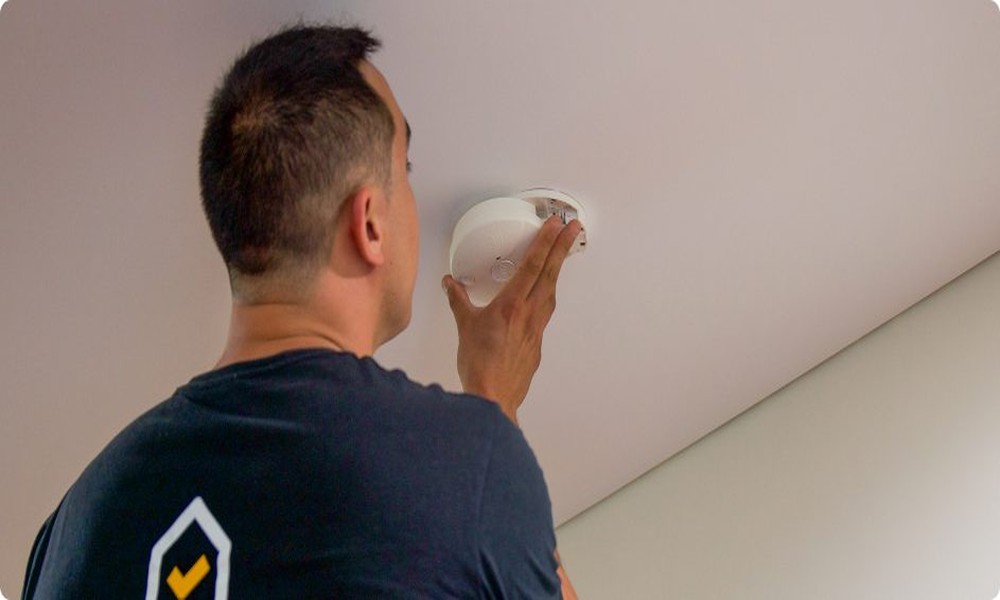
When it comes to home safety, few things are as critical as a properly installed and functioning smoke alarm. In Western Australia, smoke alarms are not just a recommendation-they’re a legal requirement designed to protect lives. Yet, many homes still rely on outdated, poorly positioned, or non-compliant alarms.
Understanding the importance of professional smoke alarm installation is the first step in safeguarding your household.
Why Smoke Alarms Matter More Than You Think
A house fire can escalate in minutes, often when you least expect it. Smoke inhalation is one of the leading causes of fatalities in residential fires, and early detection can make all the difference.
Modern smoke alarms are designed to:
- Detect smoke quickly and accurately
- Alert occupants early enough to evacuate safely
- Integrate with interconnected systems for full-home coverage
For Perth homeowners, ensuring compliance with current legislation is just as important as functionality. If you’re unsure whether your system meets the standard, it’s worth reviewing your setup through a professional smoke alarm installation service.
Understanding WA Smoke Alarm Regulations
Western Australia has strict requirements for smoke alarms, particularly in residential properties being sold or rented. These include:
- Hardwired smoke alarms connected to mains power
- Alarms installed in hallways leading to bedrooms
- Units less than 10 years old
Battery-only alarms are no longer sufficient in most cases. For property managers and landlords, this is especially important when maintaining compliance across multiple properties.
Choosing the Right Type of Smoke Alarm
Not all smoke alarms are created equal. The type you choose can significantly impact performance.
Two common types include:
- Photoelectric smoke alarms – Ideal for detecting slow, smouldering fires
- Ionisation alarms – More responsive to fast-flaming fires (less commonly recommended today)
Photoelectric alarms are generally preferred in Australian homes due to their reliability and reduced likelihood of false alarms.
Placement Matters
Even the best smoke alarm won’t perform properly if it’s installed incorrectly. Common mistakes include:
- Installing too close to kitchens or bathrooms (leading to false alarms)
- Positioning in dead air spaces like corners
- Failing to install alarms in all required areas
Professional installation ensures correct placement based on your home’s layout, maximising both safety and compliance.
The Benefits of Professional Installation
While it may be tempting to handle installation yourself, there are risks involved-particularly when dealing with hardwired systems.
A licensed electrician will:
- Ensure compliance with Australian Standards
- Safely connect alarms to mains power
- Test and certify the system
- Provide advice on optimal placement
This is particularly valuable for new homeowners or those upgrading older properties.
Maintaining Your Smoke Alarms
Installation is only the beginning. Ongoing maintenance is essential to ensure your system remains reliable.
Best practices include:
- Testing alarms monthly
- Replacing batteries (if applicable) annually
- Cleaning units to prevent dust build-up
- Replacing alarms every 10 years
Regular inspections are especially important in rental properties, where compliance must be maintained consistently.
Future-Proofing Your Home
Modern smoke alarm systems can be interconnected, meaning if one alarm detects smoke, all alarms in the property will sound. This is particularly beneficial in larger homes.
Integrating your smoke alarms with other electrical upgrades-such as RCD installation-can further enhance overall safety.
FAQs
How often should smoke alarms be replaced?
Smoke alarms should be replaced every 10 years, regardless of whether they appear to be working.
Can I install a smoke alarm myself?
Battery-operated alarms may be installed by homeowners, but hardwired systems must be installed by a licensed electrician to comply with WA regulations.
Where should smoke alarms be installed?
At a minimum, alarms should be installed in hallways leading to bedrooms and on each level of the home.
Why does my smoke alarm keep going off?
False alarms can be caused by dust, steam, or cooking fumes. Correct placement and regular cleaning can help minimise this.